


Restaurants are cleaned harder and more often than almost any other commercial facility, and most of the work has to happen in the hours when nobody is eating. Associated Building Maintenance provides recurring restaurant cleaning services to restaurants and food-service facilities across Maryland, Virginia, Delaware, Pennsylvania, and the D.C. area, scheduled around the operating hours of the site rather than around a fixed crew rotation.
Associated has cleaned commercial facilities since 1987. The company is woman-owned, employs over 1,000 team members, and maintains more than twenty million square feet daily. Scale matters more in food service than it does in an office, because coverage is the first thing to fail. A restaurant that opens at eleven cannot absorb a missed overnight shift, and a workforce of that size can cover an absence without leaving a kitchen dirty at open.
Scope is set for the individual facility during the site visit, so a fast-casual location with one dining room and a full-service restaurant with a bar, a private room, and a patio do not get the same program. The sections below describe the areas most restaurant programs are built from. Recurring service is delivered through General Cleaning & Porter Services on a daily, weekly, or bi-weekly schedule.
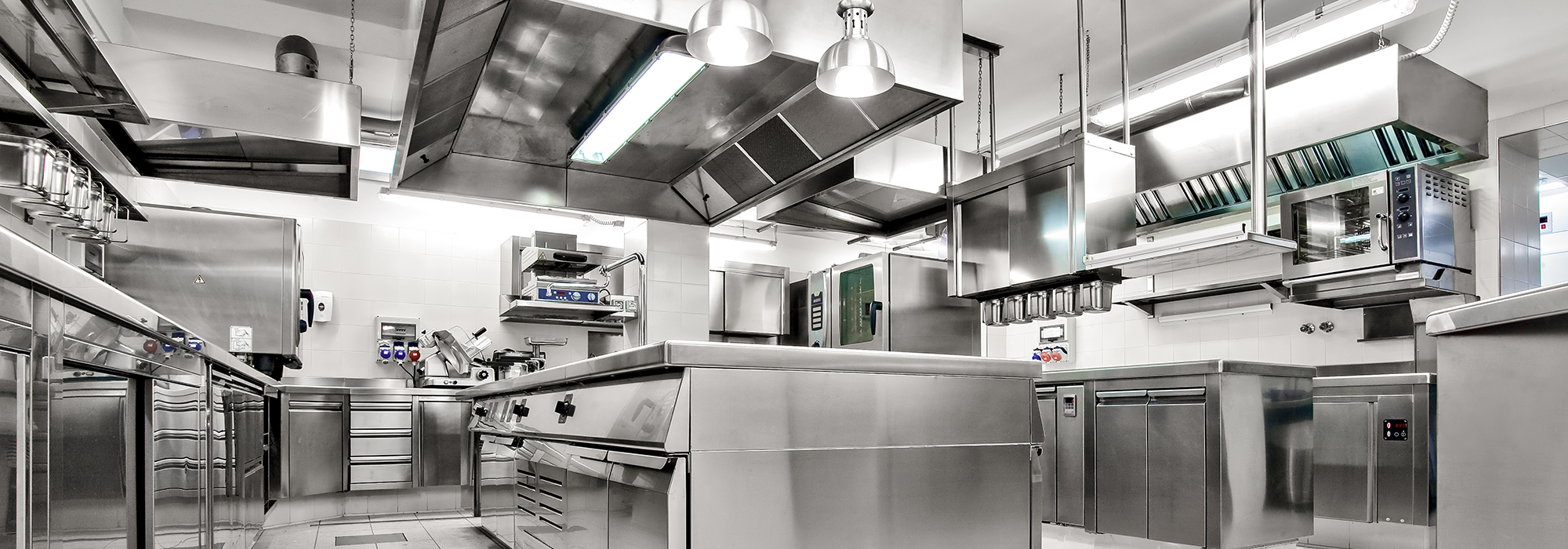
Kitchen floors take the heaviest wear in the building and show it soonest. Hard-surface floor maintenance runs on the frequency the facility needs rather than being saved for a quarterly deep clean, and it extends to the areas that get missed when a kitchen team cleans its own line: the walk-in approach, storage areas, the path to the dish pit, and the corners under fixed equipment.
Back-of-house work usually also covers waste and recycling removal, bin washing, employee restrooms, and the break or locker area. Cleaning of cooking equipment, hoods, and grease interceptors is a separate trade in most restaurant operations, and whether it sits inside or outside the janitorial scope is decided at the assessment rather than assumed.
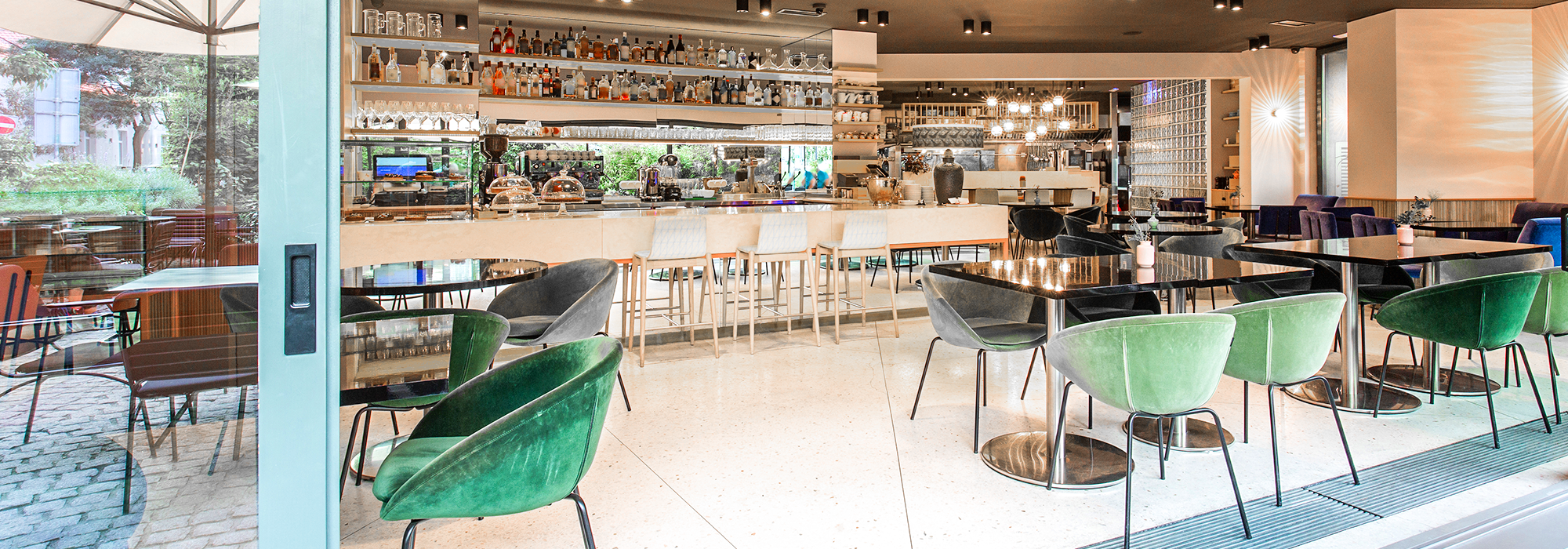
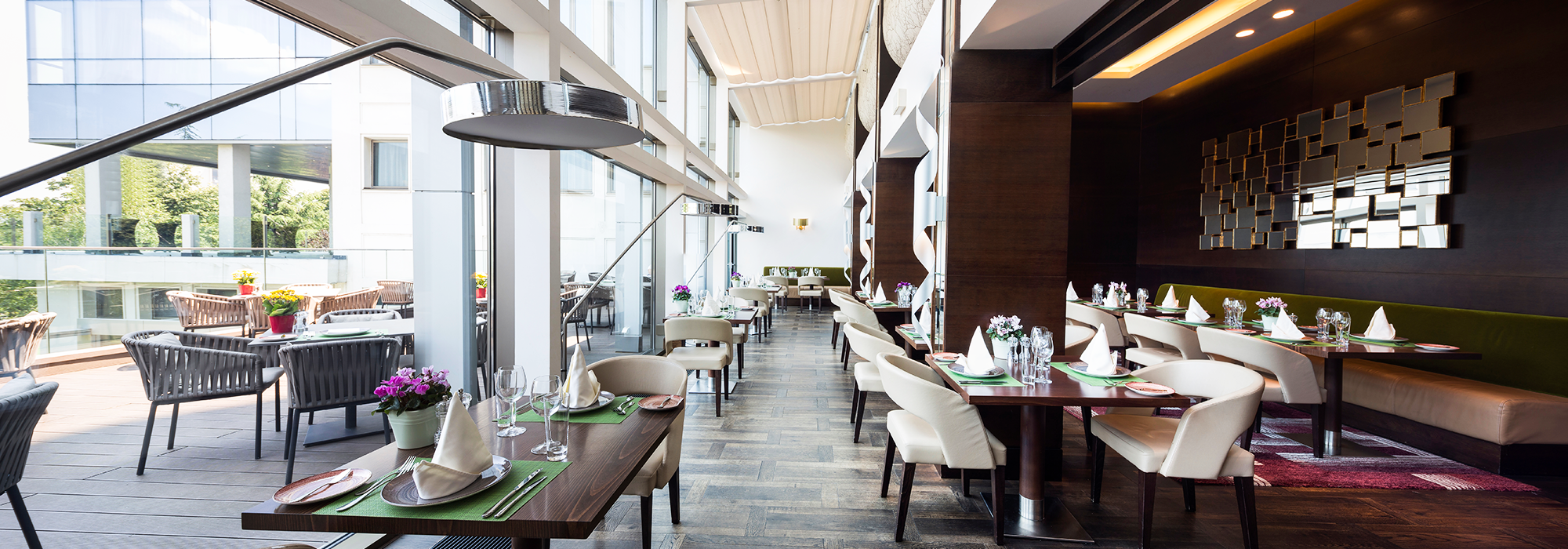
Front-of-house cleaning is what a guest actually grades the restaurant on. A nightly program typically covers dining room floors, booths and seating, fixtures and light surfaces, the host stand, entryways and mats, and restrooms, which a guest tends to notice before anything else in the room. Window washing is scheduled separately, usually on a monthly or quarterly cycle depending on street exposure.
Restroom service is the part of the program most often under-specified in a cleaning contract. Associated treats it as a fixed nightly task with a defined checklist rather than as something fitted in if time allows, because a restroom that slips is visible to every guest before the food is.
Disinfecting services cover the surfaces that pass between staff and guests all evening: door handles, POS terminals, menus, chair backs, handrails, and shared equipment. Hospital-grade disinfectants are used on high-touch areas, and the frequency is set by traffic rather than by a standard template, so a hundred-seat dining room on a Friday is not treated the same as a weekday lunch counter.
Beyond the recurring schedule, most restaurant programs include periodic work that is easier to book in advance than to arrange in a hurry. Event cleanup covers private functions, catered events, and seasonal peaks. Post-construction cleaning covers the final clean after a refresh, a kitchen rebuild, or a new location fit-out, which is work a restaurant usually needs exactly once and has no reason to staff for.
The operational question that decides whether a restaurant cleaning program works is when the crew is in the building. Overnight and pre-open windows are the normal pattern, and flexible scheduling is built into the service rather than charged as an exception.
The program starts with a consultation and a site visit, which is where the schedule, the task list, and the access arrangements are agreed. Associated’s four-step process moves from that assessment to a customized service plan, then to execution, then to ongoing quality assurance. For an operator running more than one location, the same plan can be applied across sites while leaving the schedule set per location, since two restaurants in the same group rarely close at the same hour.
24-hour emergency response is available for the situations that do not wait for the next scheduled visit, including spills, equipment failures, and anything that leaves a dining room unusable before a service.
A cleaning contract is only as good as what happens when nobody is watching, which is why quality assurance is a documented process at Associated rather than an informal one. On-site supervisors run daily inspections, regional management conducts weekly assessments, and the Quality Assurance Manager performs random audits. Results are recorded in OrangeQC inspection software, with customizable checklists, reports, and ticket communications, so a manager raising an issue has a record of it rather than a conversation.
Crew continuity sits behind that oversight. Associated reports retention rates of over 87%, which in practice means the crew in a kitchen tends to be the crew that was there last month and already knows where the drain covers sit and which door is alarmed after close.
Associated holds the Green Seal Standard for Commercial and Institutional Cleaning Services, GS-42, and runs an eco-friendly Go Green Cleaning Program. For a restaurant, the practical effect is in the products and the equipment: non-toxic and biodegradable cleaning products, microfiber cloths and mops that reduce chemical and water use, and high-efficiency equipment. Reduced chemical exposure matters more in a space where food is prepared and where staff work long shifts in the same room, and it tends to show up in how the dining room smells at open.
Associated was founded in 1987 by Deborah Zagami and still runs from its head office in Crofton, Maryland, serving facilities across Maryland, Virginia, Delaware, Pennsylvania, and the D.C. area. Restaurants sit alongside the other facility types the company cleans, which include office complexes, municipal buildings, hospitals and labs, residential communities, schools, and car dealerships.
A contractor that cleans hospitals and schools is already working to inspection standards and to fixed overnight access windows, which is close to what a restaurant needs in a smaller footprint.
Restaurant cleaning services are priced and scheduled per facility, so the first step is a site visit. Contact Associated to arrange one, or call (800) 721-9068 toll-free or (410) 721-1818 locally.
Having the following ready makes the assessment faster: square footage of the front and back of house, seating capacity, current operating hours, the hours the building is available for cleaning, floor surfaces by area, the number of restrooms, and anything currently handled in-house that should stay that way.


